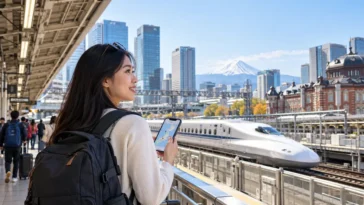
Where to Stay in Tokyo: Ueno, Asakusa or Shinjuku?
Choose your base by the journey you will actually make, not just the photo of the hotel room.
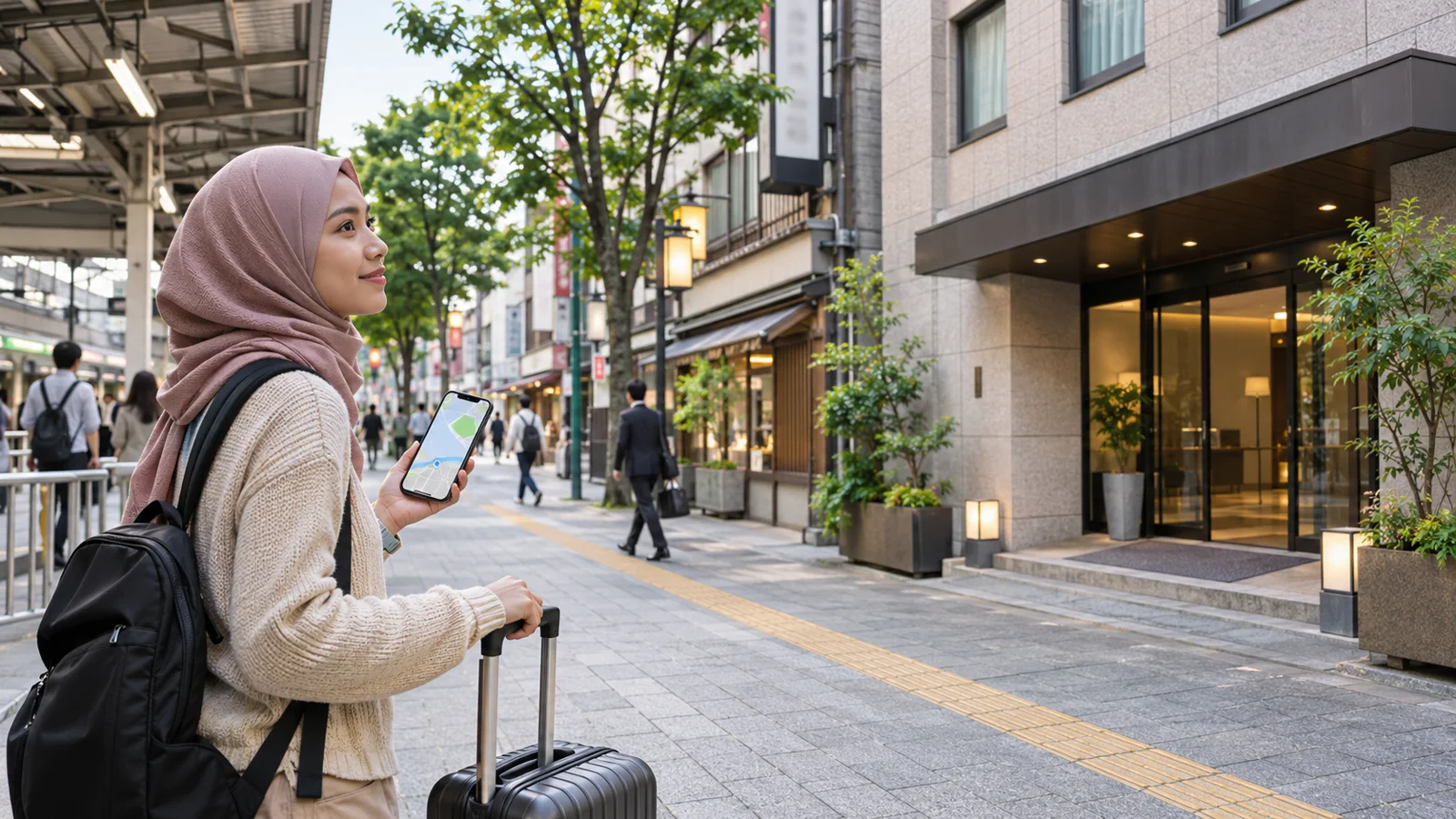
Two Tokyo hotels look equally convenient on a booking app. One is near the station you will use every day; the other only looks close when the map is zoomed out.
For a first trip from Malaysia, where to stay in Tokyo depends on your airport, daily route and the walk from the station to your actual hotel. A cheaper room is not automatically a better deal if the commute eats into every sightseeing day.
Here is a practical way to choose between Ueno, Asakusa and Shinjuku before you book.
In This Article
- Where to Stay in Tokyo: The Quick Comparison
- Is Ueno a Good Base for Your Tokyo Trip?
- Should You Stay in Asakusa?
- When Does Shinjuku Make More Sense?
- Check the Airport-to-Hotel Route Before Booking
- A Tokyo Hotel Checklist You Can Actually Use
- The Best Tokyo Base Is the One That Fits Your Route
- Frequently Asked Questions About Where to Stay in Tokyo
Where to Stay in Tokyo: The Quick Comparison
Ueno, Asakusa and Shinjuku can all work for a first visit, but they solve different travel problems. Choose by where you will go most often and how you will reach the hotel on arrival.
| Base | Choose it if / check before booking |
|---|---|
| Ueno | Your Narita route or east-Tokyo plans make Ueno convenient. Check whether the listing is close to your arrival station and entrance; Keisei-Ueno and JR Ueno are not the same station. |
| Asakusa | You want Sensoji, traditional streets and a calmer sightseeing base. Check your specific rail line and the journey to your other must-see neighbourhoods. |
| Shinjuku | You plan many western-Tokyo stops or departures from Shinjuku. Check the station exit and street-level walk, especially with luggage or a late arrival. |
This is a location decision, not a hotel-price ranking. Room rates, opening hours and airport transport schedules change. Compare actual listings for your dates instead of assuming one district always wins.
Is Ueno a Good Base for Your Tokyo Trip?
Ueno is a useful base if your itinerary includes Ueno Park, museums, Ameyoko or other east-side stops. JR Ueno is on the Yamanote Line, while Keisei’s Skyliner route connects Narita Airport with Keisei-Ueno.
That does not make every hotel labelled “Ueno” a walk from your arrival platform. Search the exact hotel address and the station name on your ticket. A family hauling two large suitcases after a late flight will notice the difference between a short, easy exit and a longer walk across busy streets.
Good for: a route that already passes through Ueno
Ueno is especially worth checking when your arrival and sightseeing days line up with this side of Tokyo. If most of your plans are in western Tokyo, compare the repeated cross-city journeys before booking.
Should You Stay in Asakusa?
Asakusa is a strong choice if you want Sensoji and Tokyo’s older-streets atmosphere near your accommodation. The area is served by several rail operators, so “near Asakusa Station” is not precise enough on its own.
Check the station entrance and line you will actually use; some nearby lines have separate entrances. If your saved itinerary is mostly Shinjuku, Shibuya and other west-side stops, compare the daily travel time rather than picking Asakusa solely for its first-night charm.
Travelling with parents? Look at the hotel-to-station walk, lifts, room size and check-in arrangements on the specific listing. District-level advice cannot tell you whether one hotel is comfortable for your group.
When Does Shinjuku Make More Sense?
Shinjuku makes sense when your sightseeing, shopping or day-trip departures repeatedly use western Tokyo. It is a major rail and bus hub, with many accommodation choices, but a hotel near “Shinjuku” can still require a surprisingly long station-to-door walk.
Zoom in on the hotel pin. Which exit is closest to the hotel? Will you arrive at JR Shinjuku, a subway station or a highway-bus terminal? Check your route at the time you expect to arrive, not just during the middle of the day.
If you prefer a quieter evening, compare individual streets and hotel reviews instead of treating all of Shinjuku as one neighbourhood. A couple on a food-and-shopping trip and a family turning in early may make different choices on the same booking map.
Check the Airport-to-Hotel Route Before Booking
Start with the airport printed on your flight booking—Haneda and Narita are not interchangeable. Then compare each candidate hotel’s full airport-to-door route, including transfers and the last walk with luggage.
Do this on the booking page, not after landing
Open a map for the expected arrival time. Save the station name, line, exit and hotel address. Check the railway operator’s current timetable for late arrivals and early departures; flight delays and last-train times can change the practical choice.
For a Narita arrival, the Keisei route to Keisei-Ueno may favour a Ueno-area hotel, but it is only one option. An Asakusa or Shinjuku hotel may fit your whole trip better. Compare the complete trip rather than one train segment.
Small arrival detail, big relief
Keep the hotel address saved offline. If you use live maps and messaging on arrival, check your phone’s eSIM compatibility and your chosen Japan plan before departure. BuzzyBee’s Japan eSIM options are one way to arrange data; check the current plan terms and your device first. Your hotel choice should still come before the connectivity choice.
A Tokyo Hotel Checklist You Can Actually Use
Shortlist hotels by total journey friction, not a district name. Copy this checklist into your notes and run it against each property before paying.
- Arrival: Which airport and terminal? What is the route to the hotel’s nearest useful station at your arrival time?
- Last stretch: How far is the correct exit to the actual hotel door with luggage? Are there lifts or steps on your planned route?
- Daily travel: Which station will you use for your top sightseeing days and any day trips?
- Room fit: Does the booked room type fit your group and luggage? Check the listing, not a district stereotype.
- Late arrival: What are the property’s check-in and luggage-storage rules for your date? Ask the property if unclear.
- Real cost: Compare room total and likely transport together. Do not treat a cheaper nightly price as an automatic saving.
- Navigation: Save the address, station exit and an offline map; arrange mobile data if you want live routes and messages.
For first-timers, one practical test is to imagine the least convenient day: you land tired, take the right train, find the right exit and walk to the hotel. Would you still book that room?
The Best Tokyo Base Is the One That Fits Your Route
There is no single best place to stay in Tokyo for every Malaysian traveller. Ueno, Asakusa and Shinjuku each work when the hotel, airport journey and daily itinerary line up.
Choose Ueno if your arrival or east-Tokyo days naturally pass through it. Choose Asakusa if the traditional-neighbourhood experience matters and your other journeys remain reasonable. Choose Shinjuku if you will use its western-Tokyo connections often and have checked your exact hotel exit.
Check real hotel addresses and transport schedules before paying. A good booking is the one that still feels sensible when you are tired and carrying your bag.
Get Your Arrival Map Ready
Once you know where you are staying, compare Japan data plans for live directions and messages on arrival. Check device compatibility and current terms before choosing.
Compare BuzzyBee Japan eSIM Plans →Frequently Asked Questions About Where to Stay in Tokyo
Is Ueno or Shinjuku better for a first trip to Tokyo?
Neither is universally better. Ueno can be convenient for a Narita-to-Keisei-Ueno arrival and east-side sightseeing; Shinjuku can make more sense for western-Tokyo plans and departures from its transport hub. Map your actual hotel and your most frequent journeys, then compare the full station-to-door route.
Is Asakusa too far from other parts of Tokyo?
Not necessarily. Asakusa has rail connections and is a good base for Sensoji and nearby sights, but journeys to places you visit each day may involve different lines or transfers. Check the exact hotel, station entrance and destinations on a map before deciding whether the daily travel suits you.
Should I choose a hotel based on Narita or Haneda Airport?
Use your actual arrival airport as one important factor, not the only one. Compare the full airport-to-hotel trip at your arrival time, then consider the rest of your itinerary. A hotel with a straightforward first journey may still be inconvenient for every other day of your holiday.
How close should my Tokyo hotel be to a train station?
Close enough for the walk to feel comfortable for your group and luggage, but there is no universal distance rule. Check the correct station exit, stairs or lifts, crossings and the path to the hotel door. A booking app’s straight-line distance may not reflect the walk you will make.
Is the cheapest Tokyo hotel always the best value?
No. Compare the final room price, room fit and transport together, especially if a cheaper hotel adds repeated cross-city trips or a difficult arrival. Prices change by date and property, so this guide does not rank districts by nightly rate. Check the current booking conditions before paying.
Do I need mobile data to find my Tokyo hotel?
No, but live maps and messaging can make the last part easier when the station has several exits. Save the address and offline map before departure. If you want data on arrival, compare the current Japan eSIM plan terms and confirm that your phone supports eSIM before buying.